Carpet Cleaning Greeley CO Secrets for Long-Lasting Floors
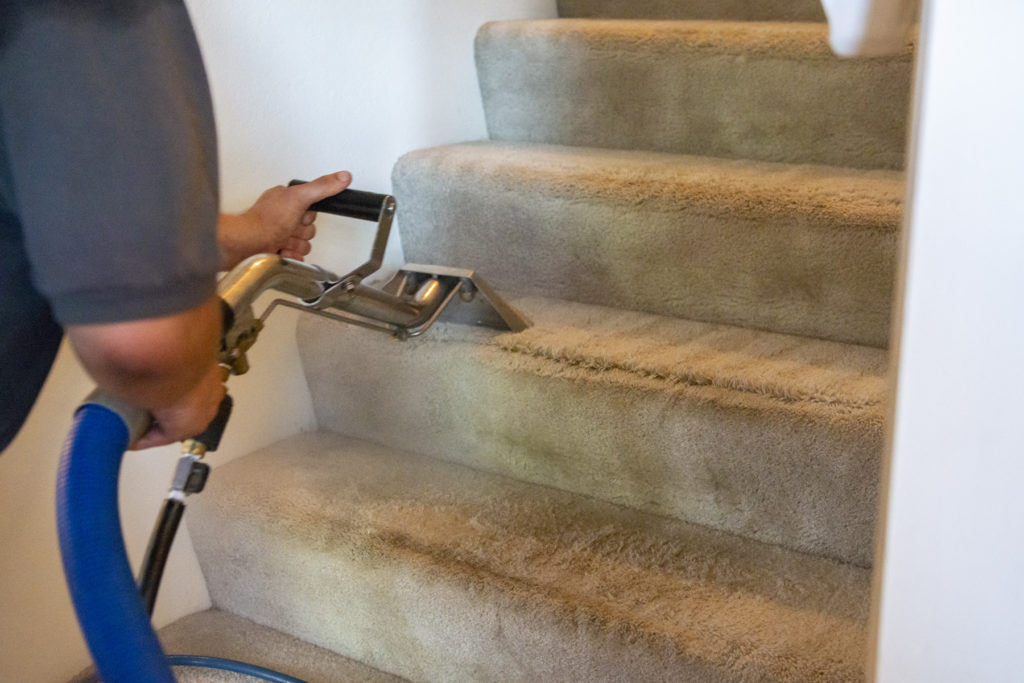
A carpet does more work than most people give it credit for. It softens sound, warms up a room, catches dust before it drifts through the house, and takes the daily punishment of shoes, pets, spills, and furniture. In Greeley, that workload gets heavier. Dry air, wind, winter slush, spring mud, and the fine grit that comes in from driveways and sidewalks all add up. If you want carpet to last, routine vacuuming helps, but it is only part of the story.
The real secret behind long-lasting floors is not a miracle product or a once-a-year deep clean. It is a combination of timing, method, and restraint. I have seen carpets survive well past their expected lifespan because the owner understood those three things. I have also seen fairly new carpet age quickly because stains were scrubbed aggressively, traffic lanes were ignored, or cleaning was done with too much water and too little extraction.
When homeowners look up Carpet Cleaning Greeley CO services, they are often reacting to a problem they can see, a pet accident, a dingy hallway, a mystery spot by the sofa. What matters just as much are the problems you cannot see yet. Soil trapped at the base of the fibers acts like sandpaper. Residue left from the wrong spot treatment attracts more dirt. Moisture left behind in the pad can create odor issues that no candle will cover for long. Good carpet care is less about making the room look fresh for a day and more about protecting the floor system for years.
Why Greeley carpets wear the way they do
Greeley has a mix of conditions that can be hard on soft flooring. Dust is a big one. Even a clean-looking home can hold a surprising amount of fine particulate tracked in from outdoors. It settles into the face fibers and, over time, sinks deeper with foot traffic. Once it is packed in, a vacuum has to work much harder to remove it.
Winter adds another layer. Snowmelt, de-icing residue, and slush create darkened entry zones and stiff patches if they are not cleaned properly. The tricky part is that moisture and soil arrive together. If the wet portion is treated but the gritty residue is left behind, the carpet may look better temporarily while continuing to abrade underneath.
Spring is no easier. A rainy week can undo a month of careful housekeeping, especially in homes with kids, dogs, or a backyard that turns soft after a thaw. Summer brings its own wear patterns. Open windows are pleasant, but they also invite dust and pollen. By fall, many carpets show that familiar gray-brown path from the front door to the kitchen, the hallway, or the family room.
That local pattern matters because the best care plan in Greeley is rarely the same as the advice printed on a generic carpet cleaner label. Regional conditions change how often a carpet needs attention and what kind of cleaning is safest.
Dirt does its worst damage before the carpet looks dirty
This is the part many people underestimate. Visible spots bother us because they stand out, but embedded dry soil is often more destructive. Think of each step on a dirty carpet as pressure pushing tiny particles against the yarn. In busy areas, those particles grind into the fiber surface and slowly dull it. By the time a traffic lane looks flat or shaded, some of that wear is permanent.
A homeowner once told me their living room carpet “just got old all at once.” It had not. The fiber had been carrying dust and grit for months, maybe longer, and the change became obvious only when sunlight hit it from a different angle after they rearranged the furniture. That is common. Carpet usually declines gradually, then seems to age overnight.
This is why waiting until carpet looks obviously dirty is expensive. You can often restore color and brightness with proper cleaning, but you cannot fully reverse abrasion. Longevity depends on interrupting that wear cycle early.
Vacuuming is more technical than people expect
A good vacuum is not glamorous, but it is one of the best investments you can make for carpet life. The key is matching the vacuum to the carpet style and using it in a way that actually removes debris instead of just grooming the surface.
Plush carpet and high-pile products can react poorly to aggressive brush settings. Low-pile synthetic carpet often tolerates more agitation and may need it to lift grit from traffic areas. Bagged vacuums, bagless models, upright units, and canisters all have their place. What matters most is consistent suction, a brush system that is not overly harsh, and filters that are maintained so airflow stays strong.
Technique matters just as much as equipment. Fast, casual passes pick up crumbs and visible lint, but they leave heavier soil behind. Slower strokes, especially in high-use zones, make a noticeable difference. So does direction. Vacuuming north-south every time misses what east-west passes will loosen.
The homes that keep carpet looking better for longer usually follow a simple rhythm:
- Vacuum entry points and main walkways two to three times per week.
- Vacuum bedrooms and low-use rooms weekly, not just when they look dusty.
- Slow down over traffic lanes and make overlapping passes.
- Empty or replace the collection system before it gets packed full.
- Check brush height and filters every month or so, especially during dusty seasons.
That routine is not excessive. It is preventive maintenance, and it is far cheaper than premature replacement.
Spot cleaning mistakes that shorten carpet life
Most carpet damage I see from homeowners does not come from neglect alone. It comes from panic. A drink spills, a pet has an accident, or someone tracks something greasy across the room, and the first response is often vigorous scrubbing with a random cleaner from under the sink. That reaction can spread the stain, distort the fibers, and leave behind residue that becomes a dirt magnet.
Blotting is safer than scrubbing. White towels are better than colored ones because they do not transfer dye. Mild solutions are usually better than strong ones, at least at first. The goal is to remove the foreign material without creating a bigger problem than the original spot.
Different stains need different judgment. Protein-based accidents, oily spills, coffee, red sauces, and tracked-in mud do not all respond to the same chemistry. Over-wetting is another common error. If enough liquid reaches the pad, the visible spot may disappear while the smell lingers. Then the homeowner assumes the carpet itself is “holding odor,” when in reality the backing or pad never fully dried.
One detail that surprises people is how often residue causes repeat spotting. A stain appears gone, then shows back up days later. Sometimes that is wicking from deeper layers. Sometimes it is sticky leftover cleaner collecting fresh soil. Either way, more product is not always the answer. Controlled moisture and complete extraction matter more.
Not every professional method is equal for every home
People often talk about carpet cleaning as if it is one service. It is not. Hot water extraction, low-moisture encapsulation, bonnet cleaning, and specialty pet treatments each solve different problems. The right choice depends on fiber type, soil load, household conditions, and how quickly the carpet needs to dry.
Hot water extraction is often the Carpet Cleaning Greeley CO best choice for a thorough restorative clean, especially in homes with heavier soil, pets, and active families. Done well, it flushes out debris from deeper in the pile and removes residues left by DIY spotting. Done poorly, it can leave too much moisture behind, particularly if the technician rushes or the equipment is underpowered.
Low-moisture methods have real value. They can be useful in commercial settings, maintenance programs, or homes where fast dry times matter. They are not automatically “better” just because they dry faster, and they are not automatically “worse” because they use less water. The issue is fit. A lightly soiled carpet that needs freshening is a different job from a carpet with pet contamination in the pad.
This is where experienced judgment shows. The best technicians ask about pets, prior cleanings, known stains, and any DIY products already used. They look at traffic patterns, not just room size. They do not promise every stain will disappear, because some discoloration is permanent. That honesty is a good sign.
What homeowners should ask before booking Carpet Cleaning Greeley CO services
A polished website does not tell you how careful a company will be inside your house. The better approach is to ask a few practical questions and listen for direct answers rather than sales language.
Here are the questions that usually reveal the most:
- What cleaning method do you recommend for my carpet, and why?
- How long should I expect the carpet to take to dry in current weather conditions?
- Do you pre-treat traffic lanes and spots differently from the rest of the room?
- How do you handle pet odor issues if the contamination has reached the pad?
- Will any protectant or deodorizer be optional rather than automatically added?
If the answers are vague, overly scripted, or loaded with upsells before anyone understands the condition of the carpet, that is useful information. A solid Carpet Cleaning Greeley CO provider should be able to explain process, expectations, and limitations in plain English.
Timing matters more than most people think
There is a narrow window when carpet cleaning delivers the best return. Wait too long and fiber wear becomes irreversible. Clean too often with poor technique and you can stress the carpet unnecessarily or leave buildup behind. The sweet spot varies by household.
A retired couple with no pets may only need professional service every 12 to 18 months, assuming regular vacuuming and quick attention to spills. A busy family with two dogs and children in sports may benefit from cleaning every 6 to 9 months, with entry zones touched up in between. A rental property may need more frequent service because foot traffic is inconsistent and tenants rarely vacuum as carefully as owners.
Season also plays a role. Many homeowners prefer spring cleaning, which makes sense after winter tracking. Fall is another smart time because it resets the carpet before holiday guests and indoor living increase wear. Summer can work well too, especially if airflow and lower humidity help with drying. During colder periods, indoor heat still allows proper drying, but scheduling should account for footwear traffic and slush risk right after cleaning.
I usually tell people to watch the behavior of the carpet, not just the calendar. When fibers start looking matted in walkways, when vacuuming no longer restores a cleaner appearance, or when the room smells dull even after the house is aired out, the carpet is asking for more than surface care.
The overlooked role of entry control
If you want a carpet to last, start before dirt gets to the carpet. This sounds obvious, but few homes are set up for it. A thin decorative rug by the front door is not enough. Effective entry control means catching and reducing grit in stages.
Exterior mats should be large enough for a few real footfalls, not just a symbolic wipe. Interior mats should absorb what the outdoor mat misses. Shoes-off households often see dramatic improvements in carpet condition, especially in lighter colors. Even a simple bench or tray by the door makes the habit easier for guests and family members.
In one home, the difference between the foyer side of the hallway and the bedroom side was striking. Same carpet, same age, same sunlight, but one side fed directly from the garage entrance where no mat was used. After adding proper mats and changing shoe habits, the rate of soiling slowed almost immediately. That is not glamorous advice, but it works.
Pet homes need a different strategy
Pet owners know the obvious risks: accidents, hair, tracked-in dirt. What is less obvious is how pet routines change wear patterns. Dogs often run the same route from back door to window, or from kitchen to hallway. That repeated path can flatten fibers even when the carpet is otherwise clean. Pet dander and body oils can also contribute to a stale odor that seems to “come back” shortly after cleaning if underlying buildup was never fully removed.
For pet accidents, speed matters. The longer liquid sits, the more likely it is to penetrate beyond the carpet face. Surface cleaning helps appearance, but odor control often requires treating deeper layers. Enzyme-based products can be helpful when used correctly, but overapplication is common and can create a wet area that takes too long to dry. If accidents are frequent or an odor is widespread, a professional evaluation is often worth it because the solution may involve targeted subsurface extraction rather than repeated store-bought sprays.
Homes with cats present their own challenges. Fine litter granules migrate farther than people expect and behave a lot like abrasive grit underfoot. Frequent vacuuming around litter areas can save a surprising amount of wear over time.
Furniture, sunlight, and traffic patterns all leave a signature
Not every carpet problem is a cleaning problem. Sometimes the floor is reacting to how the room is used. Heavy furniture can crush pile if it never moves. Sunlight can fade some materials over time, especially near large windows. A favorite recliner creates a polished-looking ring around it because feet touch down in the same place every day.
Rotating furniture even a few inches from time to time can spread wear. Rearranging a room every year or two is not just cosmetic, it changes traffic flow. Rugs or runners in the most punished pathways can protect the carpet beneath, though they should be lifted and cleaned regularly so color differences do not become pronounced.
There is also a judgment call here. Some homeowners try so hard to preserve carpet that they stop living comfortably in the room. That usually backfires. Floors are meant to be used. The goal is not perfect preservation, it is smart use with timely maintenance.
Why residue-free cleaning extends carpet life
When people talk about a carpet looking clean, they often mean bright color and no obvious spots. Professionals tend to judge cleanliness a little differently. We look for whether the fibers feel natural, whether traffic lanes lift properly after grooming, and whether the carpet is free of sticky residues.
Residue is the hidden saboteur. Shampoo left behind, too much spot remover, or poorly rinsed cleaning products can make a carpet resoil quickly. The owner assumes the carpet “gets dirty fast,” when the real issue is that the fibers are acting like Velcro for dust and oils. This is one reason some people feel disappointed after a cheap cleaning service. The carpet looks better for a few days, then darkens again faster than expected.
A residue-free result depends on balanced chemistry and strong extraction. It also depends on not overpromising fragrance. A heavily perfumed carpet can smell “clean” at first while still carrying residue or moisture. A cleaner smell is nice, but it should not be used as proof of a good cleaning.
Drying time is not a minor detail
Fast drying is not just about convenience. It affects outcome. A carpet that stays damp too long can develop musty odors, attract soil, and in some cases contribute to browning or backing-related issues. In Greeley, indoor conditions can help or hurt depending on the season, airflow, and HVAC use.
A well-executed professional cleaning often dries within several hours, though heavier cleaning, thick pile, or cool weather can stretch that longer. The more honest answer is that dry time exists on a range. Anyone giving a rigid promise without seeing the carpet should be treated cautiously.
Homeowners can help by increasing airflow, using ceiling fans, and limiting traffic until the carpet is dry. Walking on damp carpet with dirty shoes is one of the fastest ways to undo good work.
The long view pays off
Replacing carpet is expensive, disruptive, and rarely timed when people want it. Stretching the life of what you already have is one of the quieter ways to protect a home budget. A carpet that lasts 12 to 15 years instead of 8 to 10 changes the math. That extra life usually does not come from one dramatic intervention. It comes from dozens of small, smart decisions.
Regular vacuuming removes abrasive soil before it cuts into fibers. Prompt spot treatment prevents stains from setting and odors from settling deeper. Proper professional cleaning removes what household equipment cannot. Entry mats and shoe control lower the total dirt load. Method choice, moisture control, and residue-free cleaning protect the carpet after the technician leaves.
For homeowners searching for Carpet Cleaning Greeley CO solutions, the best result often comes from thinking beyond the appointment itself. Ask better questions. Notice the wear patterns in your home. Treat your carpet like a working surface rather than a background feature. Floors respond well to that kind of attention.
A long-lasting carpet is rarely the one that was cleaned most aggressively. It is usually the one that was maintained with consistency, cleaned with judgment, and protected from avoidable wear. That may not sound like a secret, but in practice, it is the difference between carpet that merely survives and carpet that holds up beautifully year after year.
TLC Carpet & Air Duct Cleaning
6380 W 10th St, Suite 7
Greeley, CO 80634
(970) 352-8176
FAQ About Carpet Cleaning Greeley CO
How much should a carpet cleaner cost in Greeley?
Pricing depends on the number and size of rooms, carpet condition, and add-ons such as stain treatment or stairs. Ask for an itemized quote.
How long will my carpet take to dry after cleaning?
Drying time varies with the carpet, cleaning method, humidity, and airflow. Ask the technician for an estimate and when to move furniture back.
How do I prepare my home for carpet cleaning?
Pick up small items, clear a path for equipment, and point out stains or delicate fibers. Ask the cleaner which furniture they can move and what needs to be moved before the visit.